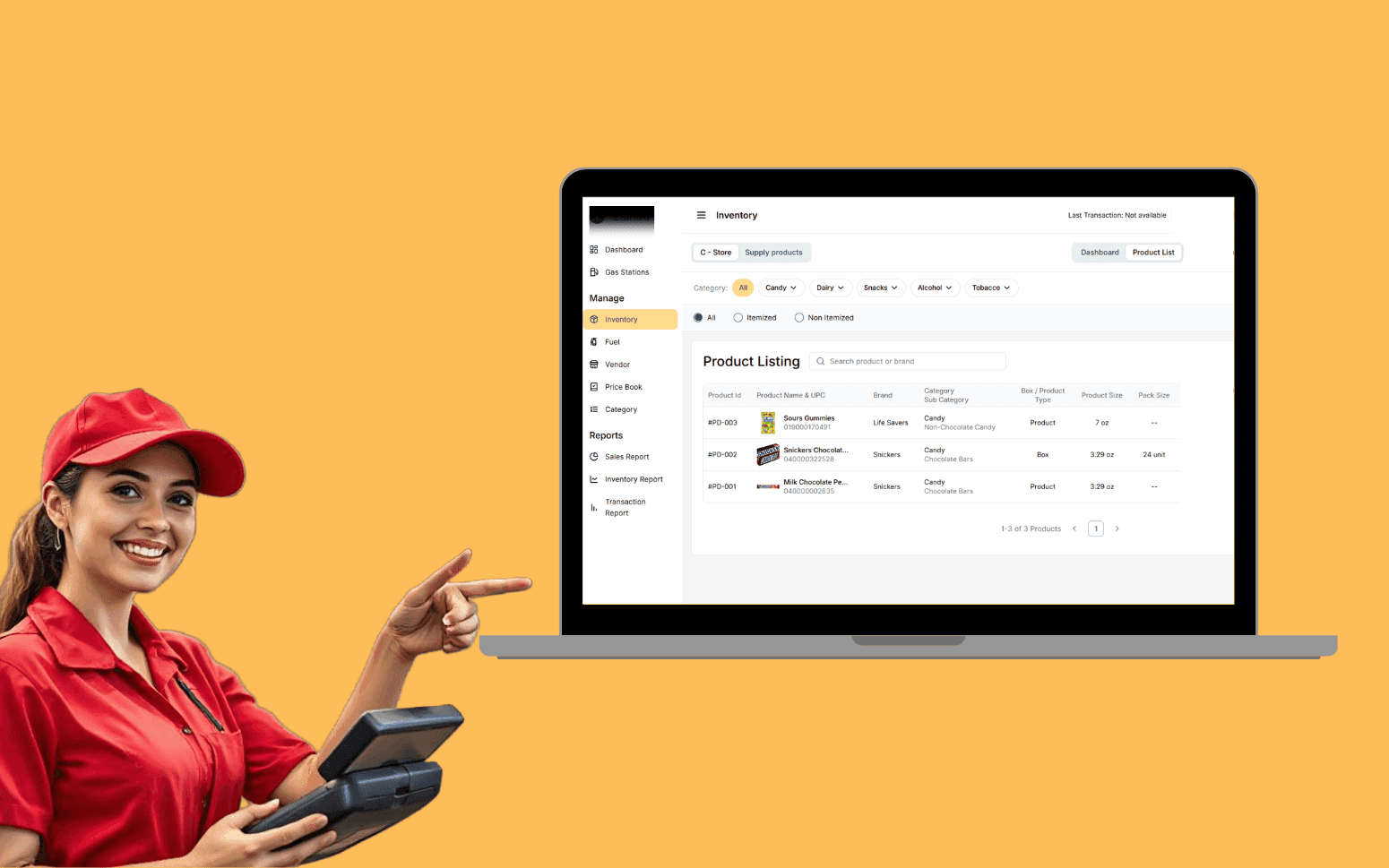
Modernizing Loyalty for a Leading Irish Utility Provider
- 300K+
- Users managed on the loyalty platform
- 1K+
- Logins within the first 24 hours
Read case study
Climate tech companies collect data from dozens of sources: sensors, satellites, OEM portals, facility systems. But the platforms that need that data to make decisions rarely see it in a useful form. We build the software layer that connects your data sources to your operational and reporting workflows.
Carbon tracking platforms that aggregate facility and operational data and produce audit-ready GHG Protocol calculations
Renewable asset monitoring dashboards that consolidate OEM portal data across your entire portfolio
ESG disclosure tools that automate data collection and map it to the frameworks your investors and regulators require
Climate risk analytics that connect model outputs to the operational decisions your team needs to act on
RaftLabs builds custom software for climate tech companies: carbon tracking platforms, renewable asset monitoring dashboards, ESG disclosure tools, climate risk analytics, carbon marketplace software, and climate data APIs. We work with founders at clean energy, carbon management, sustainable agriculture, and climate analytics companies who need purpose-built software rather than adapted generic tools. Most climate tech software projects deliver in 10 to 16 weeks at a fixed cost, with full source code ownership transferred to you.
Recognition
Carbon accounting data scattered across facilities, subsidiary systems, and third-party providers, with no single source of truth that survives an independent audit?
Renewable energy assets reporting into separate OEM portals, with no consolidated view of portfolio performance across sites?
01 Diagnosis
Carbon accounting data scattered across facilities, subsidiaries, and systems with no single audit-ready source of truth
Scope 1, 2, and 3 emissions data lives in energy management systems, utility bills, fleet telematics, facility spreadsheets, and supplier reports. Each source uses different units, different reporting periods, and different organisational boundaries. Assembling a consolidated carbon account from these sources takes weeks each reporting cycle and produces figures that don't survive a data quality challenge from an external auditor. A carbon accounting platform that ingests from source systems, applies consistent methodology, and maintains a traceable calculation record turns a manual quarterly project into a live operational asset.
Renewable energy asset performance locked inside separate OEM portals with no portfolio view
Solar, wind, and storage assets at multiple sites report to separate inverter dashboards and OEM monitoring portals. Each portal shows one manufacturer's view of one asset class. Aggregating performance across a mixed-technology portfolio means logging into four portals and copying numbers into a spreadsheet. Faults go undetected for hours because there's no cross-portfolio alert layer. We build consolidated monitoring platforms that pull from inverter APIs, SCADA systems, and OEM portals, normalise the data, and give your operations team a single dashboard with live performance, fault detection, and generation forecasting.
ESG disclosure preparation consuming weeks of manual data collection before each reporting cycle
Climate tech companies with investor ESG obligations spend significant time each reporting cycle assembling data from operational systems, third-party providers, and subsidiary reports. The people doing the assembling are the people who should be working on the substance: reduction programmes, supplier engagement, and target-setting. An ESG disclosure platform that automates data collection from source systems and maps it to your disclosure frameworks returns that capacity to the team. The disclosure report becomes an output of a system, not the product of a manual project.
Climate model outputs that don't connect to the operational decisions that need to act on them
Physical risk models, transition risk scenarios, and climate projection data sit in formats that operations and finance teams can't readily consume. The gap between a climate scientist's output and an operations manager's dashboard is a data engineering and product design problem as much as a science problem. We build the integration layer that takes model outputs, connects them to your asset register and operational data, and surfaces the information your team needs to make decisions: which assets face elevated flood risk, which supply routes are exposed to climate disruption, and which capital decisions need a climate lens.
02 What we ship
GHG Protocol-compliant carbon accounting platforms covering Scope 1 direct emissions, Scope 2 purchased energy using location-based and market-based methods, and Scope 3 value chain emissions. Data ingestion from facility energy systems, fleet telematics, utility APIs, and supplier reports. Emission factor libraries from IPCC, EPA, DEFRA, and IEA applied to your activity data. Calculation methodology documentation and a complete audit trail so every figure your report discloses traces back to source data. Reduction target tracking, year-on-year trend analysis, and carbon intensity normalisation for revenue or production changes.
Portfolio monitoring platforms for solar, wind, battery storage, and hybrid renewable assets. Data ingestion from inverter APIs, SCADA systems, and OEM monitoring portals across mixed-technology portfolios. Performance normalisation against irradiance and wind speed data so underperformance is distinguished from weather. Fault detection and alert routing with configurable thresholds per asset type. Generation forecasting against expected yield. Maintenance scheduling tied to asset performance signals rather than fixed calendar intervals. A single operations dashboard across your entire portfolio rather than separate vendor portals per site.
ESG disclosure platforms that automate data collection from operational source systems and map it to GRI, SASB, TCFD, CSRD, and custom investor reporting requirements. A framework-agnostic data model collects ESG data once and maps it to multiple frameworks simultaneously, so adding a new reporting obligation doesn't require a separate data collection process. Disclosure document generation with data lineage: each disclosed figure traces back to source data and calculation methodology. Stakeholder-facing disclosure portals with controlled access for investors, lenders, and customers requiring specific ESG data.
Analytics platforms that connect physical and transition climate risk data to your asset register and operational systems. Physical risk layers: flood, wildfire, drought, and extreme heat exposure mapped to your asset locations and supply chain geographies. Transition risk modelling: carbon price scenario analysis, regulatory change impact, and stranded asset assessment for capital-intensive portfolios. Risk data surfaces in formats your operations and finance teams can act on, not just climate scientists. Scenario comparison tools for capital allocation decisions under different climate pathways.
Carbon marketplace infrastructure for voluntary and compliance carbon markets. Credit issuance and retirement workflows with project registry integrations. Buyer and seller matching with configurable credit quality filters. Transaction audit trails that satisfy the verification requirements of the markets you operate in. Retirement certificates and disclosure reporting for corporate buyers. Registry API integrations with Gold Standard, Verra VCS, and national compliance registries. Every credit carries a traceable lineage from project to retirement. That data integrity is the requirement that defines credible carbon market infrastructure.
Climate and environmental data APIs that make your proprietary data accessible to partner platforms, internal tools, and third-party applications. Data normalisation and standardisation so outputs are consistent regardless of the source format. Rate limiting, authentication, and access controls for external API consumers. Webhook delivery for real-time data events. Documentation and developer tooling so your API is something partners can build on without support overhead. We build the API layer on top of your existing data infrastructure so your data becomes a platform asset, not just an internal tool.
03 How we work
We map your current data sources: sensor feeds, OEM portals, facility systems, third-party data providers, and any existing internal platforms. We document what data is available, in what format, on what schedule, and what decisions each data source needs to support. Climate tech software almost always lives or dies on the data integration layer. Getting that map right before building anything else is how we avoid rebuilding integrations after launch.
We scope the build around the specific operational problem: a carbon accounting platform, a portfolio monitoring dashboard, an ESG disclosure tool, or a climate data API. You receive a fixed cost and delivery timeline before development starts. No hourly billing, no scope creep invoices. The scope includes the integrations, the data model, the application, and the handover documentation.
Climate tech software runs on data from systems you don't control: OEM portals, third-party data providers, satellite feeds, and operational sensors. We build the integration layer first and validate data quality before building the application on top. Starting with reliable, normalised data means the platform delivers accurate information from day one and doesn't need to be rebuilt when a data source changes format.
We deliver the platform with your team trained on operational workflows, admin configuration, and the integration architecture. Full documentation covers data flows, API connections, calculation methodologies, and the operational processes the software supports. You own the source code outright. Post-launch support covers new data source integrations, methodology updates, and configuration changes as your reporting obligations evolve.
Companies we've built for







04 Track record
05 Case studies
06 Client voices
Three-year average engagement. Founders and operators describing the work in their own words. No marketing varnish.

 Ireland
The RaftLabs team demonstrated exceptional collaboration and attention to detail throughout the development of the new Energia Rewards platform. The platform has now successfully launched, delivering a smooth, rewarding experience for our customers.
07 Why us
Every feature ties to a specific business goal. You get what you need to launch. Not a bloated spec that takes twice as long and ships half-baked.
Production fire at 11pm? We're there. We take ownership, fix fast, and keep your business running when it matters. No hiding behind tickets.
If the idea won't work, we say so before a line of code is written. Honest advice saves you more than a team that nods along.
08 Questions
Climate tech software development is building custom technology for companies working on climate change mitigation, adaptation, and measurement. This covers carbon management software, renewable energy monitoring, ESG disclosure platforms, climate risk analytics, carbon marketplace infrastructure, and climate data APIs. Off-the-shelf tools handle generic use cases. Custom development is necessary when your data sources, regulatory environment, or market structure creates requirements that a packaged platform can't meet. RaftLabs builds for clean energy operators, carbon management companies, sustainable agriculture platforms, and climate analytics businesses. We understand the data complexity, the audit requirements, and the integration constraints that define climate tech software.
OEM monitoring portals and SCADA systems vary significantly in what data they expose and how. Some offer REST APIs with good documentation. Others provide data exports on a fixed schedule in proprietary formats. Some SCADA systems require on-premise integration agents. We scope the integration approach for each data source during discovery, before writing code. For sources with no API, we build scheduled data ingestion from exports or work with the OEM to establish a data feed. The integration layer is normalised so the application above it sees a consistent data model regardless of how many different source systems it draws from.
Yes. We design the data model and calculation audit trail around the verification requirements of the carbon standard you operate under. Every calculation needs a traceable lineage from input data to output figure. Methodology documentation needs to be machine-readable, not just a PDF narrative. We build the technical foundation that gives your verification body what they need to complete an audit without requesting manual data exports. We're not a carbon standard verification body and we don't give advice on project eligibility. We build the software infrastructure that makes your project data verifiable.
The two overlap significantly. ESG software is typically built around disclosure obligations: collecting data, mapping it to frameworks, and producing reports for investors and regulators. Climate tech software is often built around operational decisions: monitoring assets, tracking carbon in real time, managing carbon credits, and connecting climate data to the decisions that affect emissions. In practice, many climate tech companies need both: an operational data platform and a disclosure layer on top of it. We build both and design the data model so the operational data feeds the disclosure layer without duplicate collection processes.
A focused project covering one core problem (a carbon tracking platform, a renewable portfolio monitoring dashboard, or an ESG disclosure tool) typically falls in the $25k to $65k range depending on the number of data integrations and the complexity of the calculation methodology. A full-stack climate data platform covering carbon accounting, asset monitoring, ESG reporting, and a climate data API runs higher. We fix the cost before development starts after a scoping conversation. No hourly billing, no scope creep invoices. Fixed cost, milestone payments, full source code ownership.
Carbon tracking software
Scope 1, 2, and 3 carbon accounting with GHG Protocol-compliant calculations and audit trail
ESG reporting software
Custom platforms that collect sustainability data and produce audit-ready GRI, SASB, TCFD, and CSRD disclosures
Renewable energy software
Solar and wind asset monitoring, fault detection, and generation forecasting
Supply chain sustainability software
Supplier data collection portals, ESG assessments, and supply chain emissions aggregation
Tell us your data sources, your reporting obligations, and the operational decision your software needs to support. We'll design the system and give you a fixed cost.